


How Poor Systems Threaten Student Data Privacy and What Schools Need
When Outdated School Systems Put Student Data Privacy at Risk
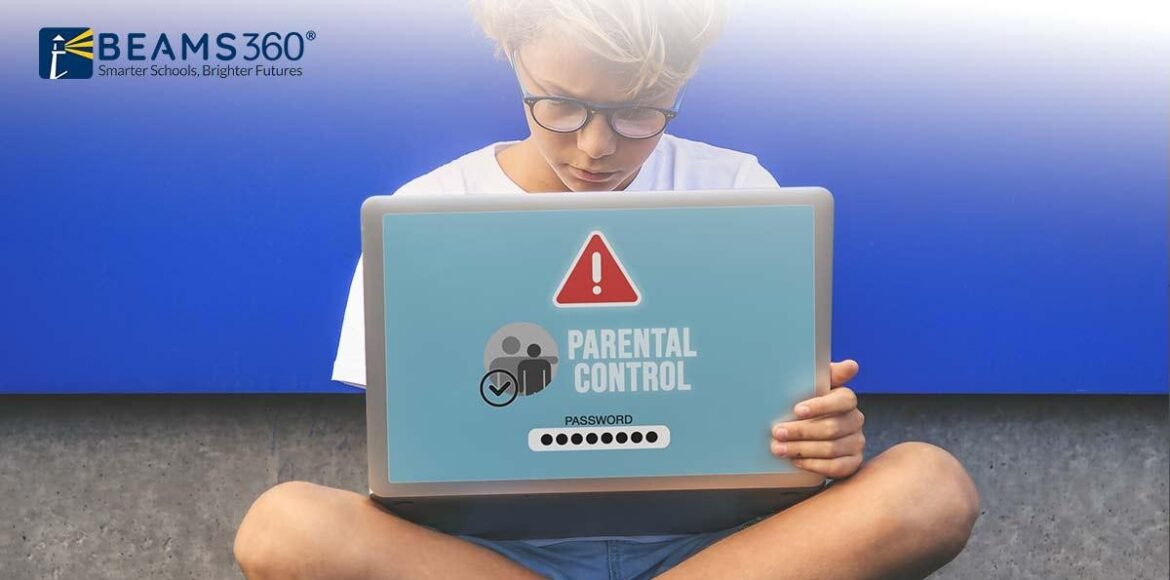
Every day, schools handle a lot of sensitive data, including student records, attendance logs, academic progress, staff data, and financial details, all of which are stored in digital systems. If these systems are inefficient or isolated, then the institutions become vulnerable to very serious risks. Student Data Privacy is no longer a mere technical problem. It has turned into a fundamental responsibility for every school administrator.
Most of the time, data breaches are not caused by highly skilled hackers but by the use of outdated tools, manual processes, or unsecured platforms by schools. It is difficult to regain trust after it has been lost.
Why Poor Systems Create Data Privacy Gaps
Many schools operate with systems that do not communicate with each other. It is this fragmentation that increases the risk of attack. Every platform that is added brings in one more way for attackers to gain access.
Common issues include:
● Shared logins across departments
● Lack of role-based access
● No regular Lms Software updates
● Weak password policies
● Limited monitoring of data activity
When systems are not centralized, tracking who accessed what data becomes nearly impossible. This directly weakens Student Data Privacy controls.
The Role of Data Protection for Education
Strong data protection is about systems, not just software.
Schools should establish clear regulations regarding the collection, storage, and sharing of student data. This comprises making a decision about the access to information and the reasons behind it. When these regulations are absent, even everyday actions like email delivery of a spreadsheet or report downloading can lead to major privacy threats. It calls for a mix of policy, training, and technology to error-proof the process.
Using trustworthy methods and tools, educational institutions can monitor data usage, restrict access, and minimize mistakes, thus protecting the confidentiality of both students and staff.
How Disconnected Tools Increase Security Risks

Disconnected tools create weak points in school systems.
Many schools use separate platforms for various purposes, such as academics, finance, HR, and attendance. If the systems are not connected, then the security measures can be quite different, and it would also be hard to keep track of who is accessing the information. Such differences in security make the data more prone to unauthorized access or unintentional disclosure.
To illustrate, a current CRM for schools may apply robust encryption, whereas outdated finance or HR systems may lack basic security measures. Integrating platforms and enforcing uniform regulations helps eliminate vulnerabilities while ensuring confidential data remains protected.
Why Manual Processes Fail Modern Schools
The process of manual data handling increases the risk of exposure. Risks are present in every method used for data retention and sharing, including paper records, spreadsheets, and email.
Problems with manual workflows include:
● No audit trails
● Higher chances of data loss
● Delayed detection of breaches
● Limited accountability
● Manual attendance tracking is time-consuming and error-prone
Choose Student Attendance Software for daily tracking and easier monitoring of the students’ performance and interest in school. Moreover, schools’ dependence on manual reporting is time-consuming, error-prone, and unreliable while ensuring Student Data Privacy.
Compliance Pressures Schools Can No Longer Ignore
Globally, regulatory frameworks governing student information are becoming increasingly stringent. It is mandatory for schools to demonstrate their data-handling practices as responsible.
● Legal penalties
● Loss of parental trust
● Enrollment decline
● Reputational damage
In certain situations, not practicing data correctly plays a significant role in Losing potential students because parents and children opt for schools that give them a sense of security.
Building Secure Foundations Across Departments
Safe school environments start with systems-level thinking. Schools demand platforms that are easy to understand and do not complicate their tasks.
Key areas that require strong controls include:
● School Finance Management Software for payment and billing data of the students
● Human Resource Management School for staff records, payroll management, and benefits of administration.
When these systems operate separately, data protection becomes less effective. The combination and uniformity of the Data Protection for Education output areas enhance its security greatly.
What Schools Need to Protect Student Information

To reduce risk, schools should focus on practical improvements rather than expensive tools.
Essential steps include:
● Centralized data access management
● Role-based permissions for staff
● Regular security audits
● Automated backups
● Ongoing staff training
Modern platforms like BEAMS360® aim to simplify this approach by reducing system fragmentation without overcomplicating daily operations.
The Cost of Ignoring Data Privacy Risks
Ignoring system weaknesses does not save money. It increases long-term costs.
Data breaches can lead to:
- Emergency IT spending
- Legal consultation fees
- Parent withdrawal requests
- Damaged institutional credibility
Strong Student Data Privacy practices protect both students and the school’s future.
Conclusion
Adequate data protection in education relies on established rules, unified software, and trustworthy workflows. School systems that adopt such measures are less exposed to risks, can prevent data leaks, and can keep the information of both students and staff. Along with the data security measures put in place comes the trust of the parents and the community, which allows the teachers to concentrate on teaching.