



How School’s Cybersecurity Risks Affect Learning and Ways to Secure It

Currently, technology is a priority in every school, with students taught using a digital methodology. In fact, digital instruments have been incorporated into nearly every aspect of school life, including virtual classes, electronic assignments, and even marking and record-keeping of students’ attendance. The adoption of digital tools not only contributes to a more adaptable and effective learning process but also subjects it to various types of hazards. A cyber attack on a school can lead to the interruption of classes, important data being locked, and even the disclosure of students’ personal information. Therefore, weak schools’ cybersecurity not only means that computers suffer, but also that learning itself can be affected.
Cyber threats are no longer limited to IT infrastructure. They are penetrating classrooms, releasing student information, and eroding trust between the parents and the community around the school. If educational institutions lack strong protection, they will suffer long-lasting academic and reputational losses. An expanding digital ecosystem is creating a need for platforms like BEAMS360® that facilitate learning while providing strong security measures to underpin integrated systems.
Why Schools Are Increasingly Vulnerable to Cyber Threats

Educational institutions process a lot of sensitive information. Among these, they deal with academic records, personal data, staff credentials, and financial details. Frequently, limited budgets and aging systems are the reasons for insufficient protection.
Common reasons schools become easy targets include:
- Outdated software and operating systems
- Weak or shared passwords
- Lack of cybersecurity awareness among staff
- Limited monitoring of network activity
Such vulnerabilities allow hackers to break in unnoticed. After the breach, the whole campus network can be affected. As a result, schools’ cybersecurity becomes a significant factor for uninterrupted learning and safety.
How a School Cyber Attack Disrupts Learning

A sudden cyber attack on a school can bring learning to a standstill. The whole online teaching system might just go out of order. The entire exam timetable might get messed up. Educators might be cut off from their teaching material and the students’ work.
The most common learning disruptions include:
- Shutdown of virtual classrooms
- Loss of access to study materials
- Delays in assessments and grading
- Increased stress for students and educators
A lengthy school cyber attack hurts the trust in the digital teaching methods. Parents doubt security. Students become uninterested. Gradually, institutions might see a decrease in student numbers.
Data Privacy Risks and Student Safety
Student data is highly valuable to cybercriminals. Personal information can be misused for identity theft or illegal resale. Weak computer security in Schools increases exposure to long-term risks.
When privacy is compromised, schools face:
- Legal and regulatory consequences
- Loss of parental trust
- Psychological stress for students
- Damage to institutional credibility
Protecting data is not only a technical task. It is a moral responsibility toward students and families.
Administrative and Financial Disruptions
Cyber incidents often extend beyond academic platforms. Administrative systems are usually interconnected. A breach in one area can impact multiple departments.
Operational risks include:
- Inaccessible School Finance Management Software platforms
- Disrupted fee collection and budget tracking
- Payroll delays and reporting errors
- Exposure of employee records through a weak Human Resource Management School controls
Such disruptions strain resources and harm reputation. In severe cases, schools risk Losing Potential Student admissions due to reduced trust.
Education Cybersecurity as a Learning Enabler

Education cybersecurity is not only about preventing attacks. It ensures learning continues without interruption. Secure systems allow students and teachers to focus on education, not technical failures.
Schools that invest in cybersecurity benefit from:
- Stable access to digital learning tools
- Faster recovery after incidents
- Higher confidence among parents and staff
Cyber resilience directly supports academic performance.
Practical Ways to Strengthen School Cybersecurity
Regular system updates and strict access controls will enhance schools’ cybersecurity. Learning management systems, such as LMS software, should have their security features adequately configured. Protecting sensitive data in Student Attendance Software is also necessary. Staff training and teaching Cybersecurity to school kids will reduce human errors and thereby increase the safety of digital resources in general.
Teaching Cybersecurity for school students minimizes the chances of human mistakes. Besides, the users who are aware technically act as an extra barrier of protection.
Long-Term Benefits of Strong Cybersecurity
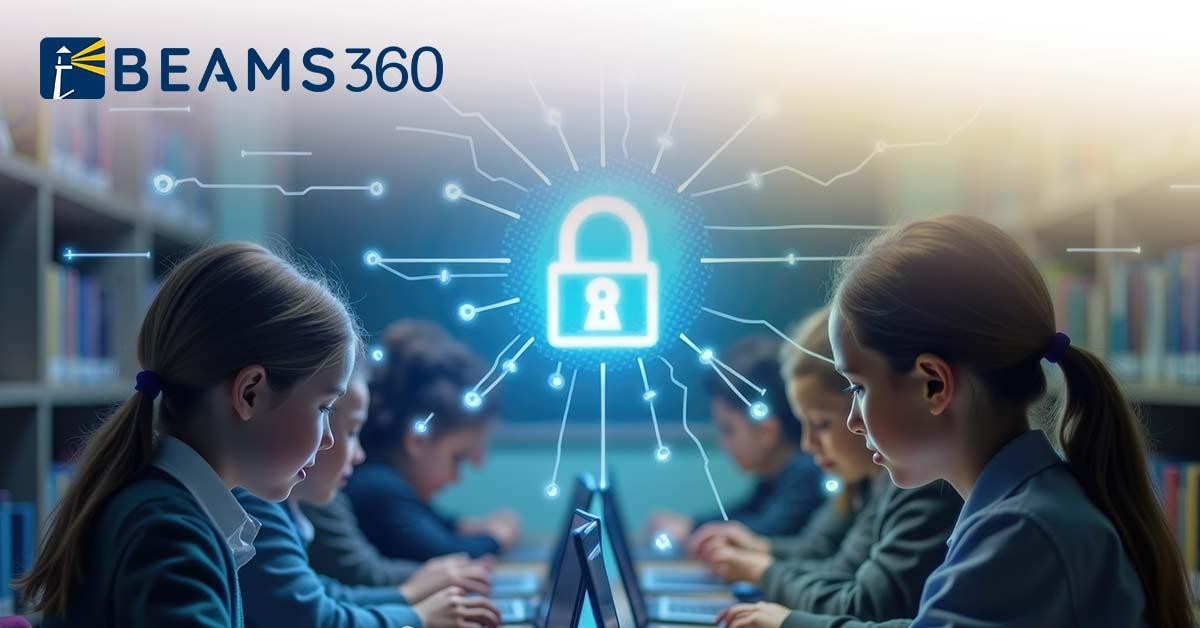
Robust school cybersecurity measures help establish a trustworthy and safe digital learning environment. Protecting the systems allows teachers to conduct classes uninterrupted while ensuring that students’ sensitive data is protected. This stability over time earns the trust of parents, students, and staff. Schools with excellent cybersecurity policies are also those that can easily adapt to new digital tools and learning methods, thereby reducing both operational stress and long-term risk.
Key long-term benefits include:
- Consistent access to digital learning platforms without interruptions
- Greater trust and confidence from parents and the school community
- Improved readiness for future educational technologies